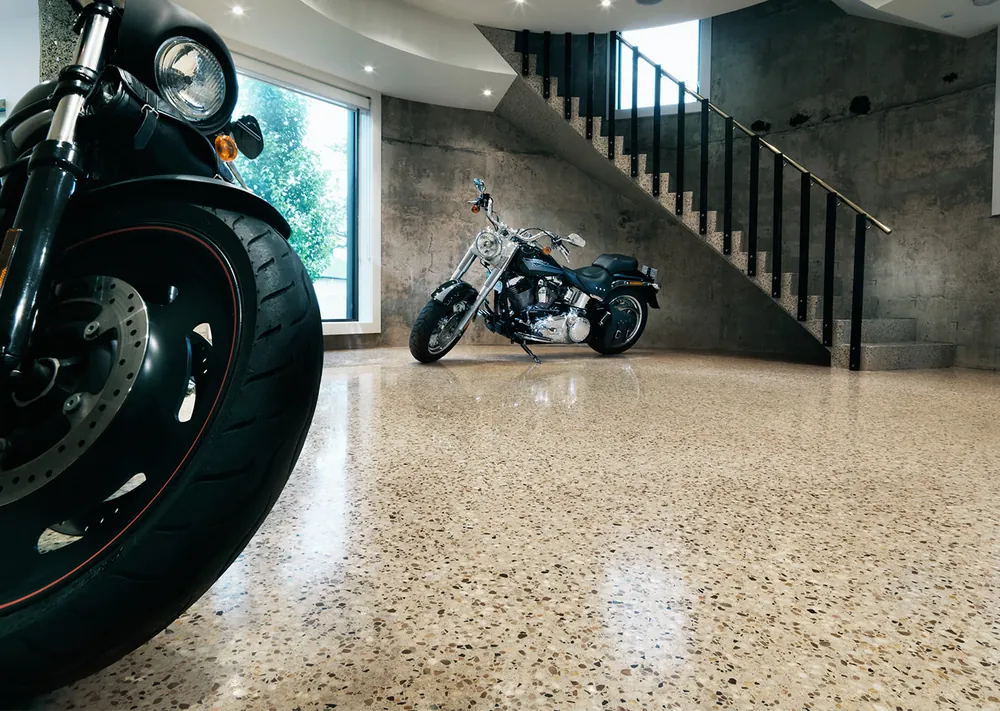
For most Tampa homeowners, epoxy flooring is worth it — but only when it is professionally installed with real slab prep and moisture testing. A cheap DIY kit rolled over a damp, untested slab usually is not, and in this climate it often fails within a year.
It is the question every homeowner asks before spending a few thousand dollars on a floor: is this actually worth the money, or is it just a pretty upgrade that will look dated or peel in a couple of years? The honest answer depends almost entirely on how the floor is installed and the conditions of the slab underneath it. This guide lays out the real pros and cons, including the ones most contractors gloss over, compares epoxy against the alternatives, and gives you a straight verdict for the Tampa Bay area.
At Ascent Epoxy Tampa, we would rather you walk into the decision with clear eyes than oversell you. So below you will find the genuine upsides, the genuine downsides, and the specific situations where we would tell you to spend the money and the ones where we would tell you to wait. Want a number for your exact slab? Call (813) 694-5986 for a free estimate, or read on first.
The Honest Answer
Epoxy flooring is worth it for the large majority of Tampa homeowners, with one important condition: the value lives in the installation, not the product. A professionally installed flake or polyaspartic system — one that starts with a moisture test, a full diamond grind, crack repair, and a UV-stable topcoat — routinely lasts 10 to 20 years. Spread the upfront cost across that lifespan and it becomes one of the better-value surfaces you can put down, especially on a garage or interior slab that would otherwise stay bare concrete that stains, dusts, and cracks.
The flip side is just as honest. A consumer epoxy kit from a big-box store, rolled onto a slab that was never tested for moisture and never properly ground, is frequently not worth it in Tampa. Our high water table and humidity push vapor up through concrete that can lift a poorly bonded coating in months. So when someone asks "is epoxy worth it," the real answer is "a good epoxy floor is absolutely worth it; a bad one is a waste of a weekend and the money." The rest of this article is about telling the two apart.
The Pros of Epoxy Flooring
When it is done right, epoxy earns its reputation. Here is what you are actually paying for.
Durability That Outlasts the Alternatives
A real epoxy or polyaspartic system is mechanically bonded to a ground slab and measured in millimeters, not the paper-thin film of garage paint. It shrugs off hot tires, dropped tools, foot and vehicle traffic, and most household chemicals. In a residential garage it commonly lasts 10 to 20 years. That longevity is the single biggest reason the math works: the cost per year of service is low because the floor simply keeps going.
Looks That Transform a Space
Bare concrete reads as unfinished. A flake or metallic floor reads as a room. Flake systems come in dozens of color blends that hide marks and imperfections, and metallic finishes create flowing, three-dimensional patterns that turn a floor into a feature. For a garage, gym, or interior space, the visual jump from gray slab to a finished floor is dramatic, and it is a big part of why buyers notice it during a walkthrough.
Genuinely Easy to Clean
An epoxy floor is seamless and non-porous. There are no grout lines to scrub and nowhere for spills to soak in. Oil, dirt, and dust wipe up with a mop or a quick rinse, which matters in a Tampa garage that tracks in rain, sand, and humidity. Compared with tile's grout or bare concrete's dusting, the maintenance load is close to nothing.
Slip Resistance When You Spec It
Smooth epoxy can be slick when wet, but that is a choice, not a fixed property. A flake or quartz broadcast adds texture underfoot, and an anti-slip additive can be mixed into the topcoat for spaces that get wet. Done this way, an epoxy floor can be safer than the polished tile or sealed concrete it replaces. We cover the wet-floor question in detail in the cons and the FAQ below.
Strong Cost vs. the Alternatives
For a garage or large open area, a flake system is usually cheaper to install than porcelain tile and comparable to high-end polished concrete, while giving you a seamless surface with no grout to maintain. You can see the full per-finish breakdown in our Tampa epoxy flooring cost guide, but the short version is that epoxy tends to land in a sensible middle: more durable than paint, less expensive and less maintenance-heavy than tile.
Wondering If It's Worth It for Your Slab?
Tell us about your space and your goals. We will give you an honest read and a real number, free — even if the answer is "wait."
The Cons — Told Straight
No flooring is perfect, and pretending otherwise is how people end up disappointed. Here are the real downsides, including the ones that matter most in Florida.
It Lives and Dies by the Prep
This is the big one. An epoxy floor is only as good as the slab preparation beneath it. If the concrete is not properly ground to open the surface, if cracks are not repaired, or if moisture is not tested and mitigated, even premium product will eventually peel or bubble. The coating is not the hard part — the prep is. That is why two quotes for "an epoxy floor" can mean wildly different things, and why the cheap one is so often the one that fails.
It Is Not a Good DIY Job in Florida
Plenty of climates forgive a weekend DIY kit. Tampa does not. The same humidity, heat, and high water table that make professional moisture testing necessary are exactly what defeat a roll-on kit applied without grinding or a moisture barrier. We see the failures often enough that we wrote a whole guide on it: why epoxy floors fail in Tampa and the moisture test that prevents it. If you are committed to DIY, go in knowing the odds in this climate are against you.
Cure Time and Downtime
An epoxy floor is not instant. A typical garage install takes one to a few days depending on the system and slab repairs, and the floor needs time to cure before you can walk on it and longer before vehicles return. Polyaspartic topcoats cure faster than standard epoxy — a real advantage in Tampa — but you should still plan to have the space out of service for a short stretch. It is a temporary inconvenience, but it is a genuine one.
Slippery When Wet Without an Additive
A smooth, high-gloss epoxy surface can be slippery when wet, the same way polished tile is. This is solvable — a flake or quartz texture, or an anti-slip additive in the topcoat — but if you skip that step and choose a glassy finish for a space that gets wet, you have created a hazard. In Tampa, where floors regularly track rain and humidity, we treat slip resistance as a default, not an upsell.
Upfront Cost
A professional epoxy floor is not the cheapest option on day one. Garage floor paint costs less initially, and the prep that makes epoxy last — grinding, moisture mitigation, a quality topcoat — is real money. The value shows up over the life of the floor, not at checkout. If your budget only stretches to the cheapest possible coating today, it is worth being honest with yourself about whether that coating will survive the climate.
Repairs Are Possible but Not Invisible
Epoxy is tough, but it is not indestructible. A heavy impact can chip it, and a serious slab problem under the coating can telegraph through. Spot repairs are doable, but a patch can be slightly visible against an aged floor, and a metallic finish in particular is hard to match perfectly. For most homeowners this rarely comes up, but it is fair to know going in that the floor is a finished surface, not a self-healing one.
Epoxy vs. the Alternatives
The real way to judge whether epoxy is worth it is to put it next to what else you could do with that slab. Here is how a professionally installed flake or polyaspartic system compares with the three most common alternatives for a Tampa garage or interior floor.
| Option | Typical Cost | Durability | Maintenance | Lifespan |
|---|---|---|---|---|
| Epoxy / Polyaspartic | $5–$14 / sq ft | High — resists tires, impact, chemicals | Low — seamless, mop & rinse | 10–20 years |
| Porcelain Tile | Often higher installed | High, but grout & edges chip | Higher — grout lines to clean | 10–20+ years |
| Polished Concrete | Comparable to flake | High, but shows stains | Low–moderate; periodic resealing | 10–20 years |
| Paint / DIY Kit | Lowest upfront | Low — peels under tires & moisture | Frequent recoating | 1–3 years in Tampa |
The pattern is clear. Tile and polished concrete are legitimate, durable choices, but tile brings grout maintenance and polished concrete shows stains and needs resealing. Paint is the cheapest today and almost always the most expensive over time, because in this climate it peels fast. A quality epoxy or polyaspartic system tends to land in the value sweet spot: durable like the premium options, seamless and low-maintenance, without the recurring upkeep. For the per-finish numbers behind the epoxy column, see our cost guide, and if you are weighing the two coating chemistries specifically, our epoxy vs. polyaspartic comparison breaks down which wins in Tampa heat and humidity.
When Epoxy Flooring Is Worth It
Here are the situations where we would tell you to go ahead, because the value is genuinely there.
- You are staying in the home. The longer you keep the floor, the more the 10-to-20-year lifespan works in your favor. This is where epoxy shines.
- Your garage doubles as a workspace or gym. A seamless, easy-to-clean, slip-rated garage floor pays off every time you use the space, not just when you look at it.
- You are tired of dusting, staining concrete. Bare slab sheds dust and soaks up oil. An epoxy floor ends both, permanently.
- You want a finished look for an interior or living space. A metallic or flake floor turns a residential interior into a designed room, and the visual upgrade is hard to match for the price.
- You are willing to do it right. If you are going to invest in proper prep, moisture testing, and a UV-stable topcoat, the floor will reward you. That is the whole game.
If you want to see exactly how a finish, size, and color come together for your space before you commit, our Floor Studio lets you build the look and see a real Tampa price range in about a minute.
When It's NOT Worth It
We would rather lose a job than sell you a floor you will regret. Here is when we would tell you to hold off.
- You are selling immediately and want the bare minimum. If the house is going on the market in weeks and you just want the garage to look tidy, a full professional system may be more than the moment calls for. A finished floor helps a home show better, but it is not a guaranteed dollar-for-dollar return, so spending top-tier money right before a sale rarely pencils out.
- You are tempted by a cheap kit over a damp or untested slab. This is the classic Tampa mistake. A big-box DIY kit applied without grinding or moisture mitigation, on a slab that pushes vapor, will very likely peel. Spending a little to get a floor that fails is worse than spending nothing. Either do it properly or wait until you can.
- The slab has unresolved structural or moisture problems. If the concrete has serious cracking, heaving, or a known moisture issue that has not been addressed, a coating will not fix it — it will just sit on top of the problem and eventually reveal it. Fix the slab first; coat it second.
In each of these cases the issue is not epoxy itself — it is the gap between what a lasting floor requires and what the situation allows. Close that gap and the answer flips back to "worth it."
The Tampa Verdict
Here is the framing that matters most for our market. In a dry, temperate climate, the gap between a good epoxy floor and a mediocre one is real but forgiving. In Tampa, that gap is the whole decision. Our high water table, roughly 75 percent humidity, year-round heat, and strong sub-tropical UV mean the floor either gets professional prep — moisture testing, a moisture-mitigation primer when the slab needs it, a UV-stable polyaspartic topcoat — or it does not last. There is very little middle ground here.
So the Tampa verdict is this: epoxy flooring is worth it, and often an excellent value, when the install respects the climate. The same floor is a poor investment when the climate is ignored. The deciding factor is almost never the brand of resin; it is whether the slab was tested and prepped for the conditions it actually lives in. That is exactly why we lead every estimate with a moisture test and an honest read of your concrete, and why we will tell you if your slab needs work before it is ready for a coating.
If you want the full picture of how moisture causes the failures we are describing — and the simple test that prevents them — read our Tampa epoxy moisture failure guide. It is the single most useful thing to understand before you spend a dollar on a floor in this region.
Frequently Asked Questions
Is epoxy flooring a good investment?
For most Tampa homeowners, yes, as long as it is professionally installed with full diamond-grind prep, moisture testing, and a UV-stable topcoat. A floor done that way easily lasts 10 to 20 years, which spreads the upfront cost across many years of a surface that resists stains, hot tires, and humidity. A cheap DIY kit rolled over an untested slab is a different story and often is not worth it in this climate.
Does epoxy flooring increase home value?
A professionally installed epoxy floor makes a garage or interior look finished, clean, and well maintained, which buyers notice during a walkthrough. It is a relatively low-cost upgrade that improves appearance and durability. It is best thought of as a feature that helps a space show better rather than a guaranteed dollar-for-dollar return.
Is epoxy worth it over just painting the garage floor?
In almost every case, yes. Garage floor paint is a thin topical layer that peels under hot tires and lifts when slab moisture pushes up through the concrete, which is common in Tampa. A real epoxy or polyaspartic system is many times thicker, mechanically bonded to a ground slab, and built to last years instead of months. Paint is cheaper on day one and usually the more expensive choice over time.
Is epoxy flooring slippery when wet?
A smooth, high-gloss epoxy floor can be slippery when wet, just like polished tile. The fix is simple: a flake or quartz broadcast adds texture, and an anti-slip additive can be mixed into the topcoat. In Tampa, where floors track rain and humidity, we recommend a textured finish or a slip additive for garages and any space that gets wet.
How long does an epoxy floor last?
A professionally installed flake or polyaspartic floor in Tampa typically lasts 10 to 20 years, sometimes longer in a residential garage. Lifespan depends almost entirely on slab prep, moisture mitigation, and the quality of the topcoat. A DIY kit over an unprepped slab may only last one to three years before it peels. We go deeper on this in our guide to how long an epoxy floor lasts in Tampa.
Get Your Personalized Tampa Epoxy Quote
This guide gives you the honest case for and against, but the only way to know whether epoxy is worth it for your floor is to have your slab evaluated in person. At Ascent Epoxy Tampa, every estimate starts with a real look at your concrete, moisture testing, and a straight conversation about whether the floor makes sense for your space, your timeline, and your budget. If it does not, we will tell you. If it does, you will get a clear number and a system built for the Tampa Bay area.
Ready to find out? Call us at (813) 694-5986 or request a free quote online. We serve Tampa, Brandon, Riverview, Carrollwood, Wesley Chapel, Westchase, Lutz, Land O' Lakes, and the surrounding communities across Hillsborough and Pasco County.
Related Articles
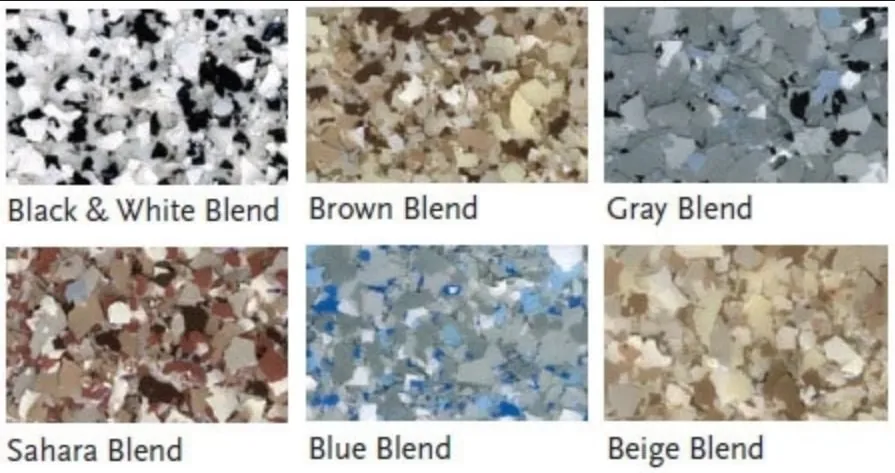
How Much Does Epoxy Flooring Cost in Tampa? (2026 Guide)
Real 2026 Tampa prices by finish plus a typical 2-car garage total.
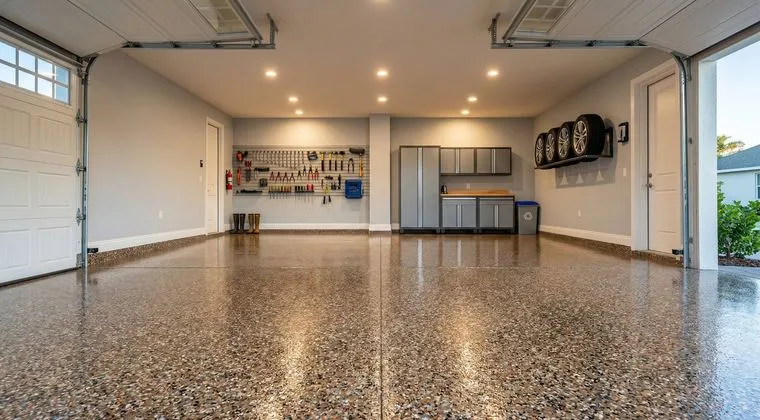
Epoxy vs. Polyaspartic in Tampa
Which coating actually wins in Tampa heat and humidity.
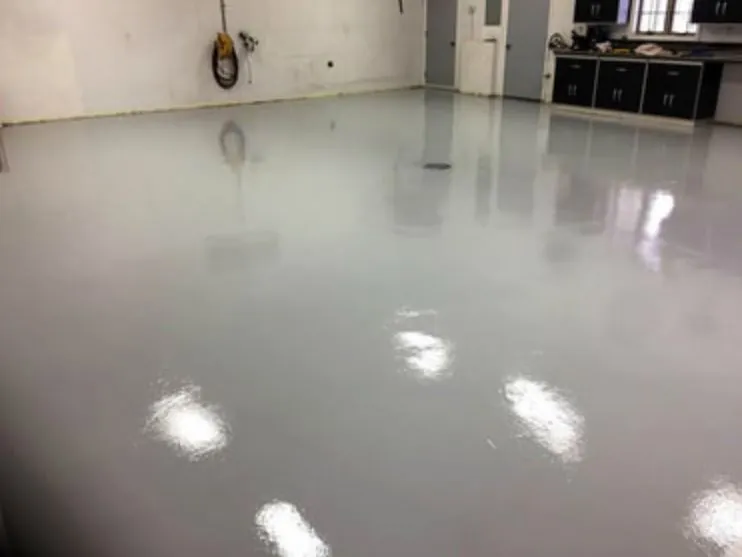
How Long Does an Epoxy Floor Last in Tampa?
Realistic lifespans and what makes a Tampa floor last.