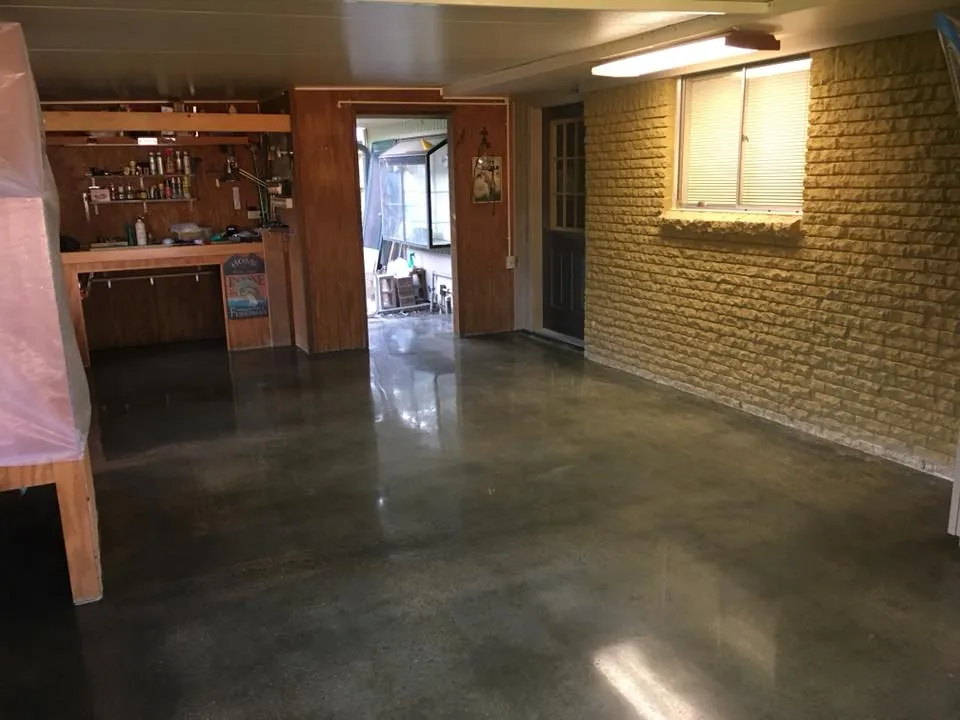
An epoxy floor is one of the lowest-maintenance surfaces you can put down. Sweep or dust-mop regularly to clear grit, damp-mop with a pH-neutral cleaner when it needs it, wipe up spills as they happen, and avoid harsh chemicals and abrasive pads. Do that and a quality Tampa floor stays glossy for years.
One of the best things about a professionally installed epoxy or polyaspartic floor is that the hard part is over once it cures. The surface is seamless, non-porous, and chemical-resistant, so it does not soak up spills the way bare concrete does and there are no grout lines to scrub. The flip side is that the few things that can shorten a floor's life are easy to do by accident, like reaching for the wrong cleaner or dragging a sharp object across it. This guide walks through the simple routine that keeps your floor looking new, the products to skip, and the Tampa-specific habits that matter most in our climate.
At Ascent Epoxy Tampa, we install floors built for the Tampa Bay area, and we want them to last. Whether you have a flake garage floor in Riverview or a metallic interior in Westchase, the care below applies. Have a floor that already needs attention? Our repair and maintenance team can help, or call (813) 694-5986.
The Short Answer
If you only remember one thing, remember this: keep grit off the floor and use the gentlest thing that works. Epoxy and polyaspartic coatings are tough against chemicals and water but, like any clear finish, they can be dulled by abrasion and etched by acids. Almost all real-world maintenance comes down to a handful of habits.
- Sweep or dust-mop regularly so sand and grit do not get ground in underfoot or under tires.
- Damp-mop with a pH-neutral cleaner and warm water using a soft microfiber mop when the floor needs a deeper clean.
- Wipe up spills promptly — oil, brake fluid, and chemicals are easy to remove when fresh.
- Avoid acids and abrasives — no vinegar, no citrus degreasers, no green scour pads or wire brushes.
- Rinse when needed — a garden hose or a sensibly used pressure washer is perfectly fine on a cured, sound floor.
That is genuinely most of it. The sections below add the detail behind each habit and the few Tampa wrinkles worth knowing.
Your Everyday & Weekly Routine
A good maintenance routine is built around two ideas: get the grit off often, and do a proper wash now and then. Neither takes long, and the more consistent you are with the quick stuff, the less often you need the deeper clean.
The everyday pass
Dust-mopping or sweeping is the single most valuable habit for an epoxy floor. The thing that actually wears a clear topcoat is not water or mild cleaner — it is fine grit being dragged across the surface by feet, tires, and rolling tool chests, acting like sandpaper over time. A quick pass with a dust mop or a soft-bristle broom clears that grit before it can do any damage. For a busy garage in Brandon or Carrollwood, a 60-second sweep every couple of days keeps the gloss intact far longer than any product can.
The weekly wash
When the floor needs more than a sweep, damp-mop it. Mix warm water with a pH-neutral floor cleaner — the kind labeled for coated, sealed, or epoxy floors — following the dilution on the bottle. Use a flat microfiber mop, work in sections, and wring it out or swap rinse water so you are lifting dirt rather than smearing it. There is no need to flood the floor; a damp mop is plenty because the surface is non-porous and the water sits on top. Let it air-dry or pull it dry with a clean microfiber. For most homes a weekly wash is more than enough; a low-traffic interior floor may only need it monthly.
| Task | How Often | How |
|---|---|---|
| Dust-mop / sweep | Every few days | Soft broom or dust mop to clear grit and sand |
| Damp-mop | Weekly (or as needed) | Microfiber mop, warm water, pH-neutral cleaner |
| Spot-clean spills | As they happen | Wipe up promptly with a soft cloth and mild cleaner |
| Hose / rinse | Occasionally | Garden hose or pressure washer at a moderate setting |
Floor Looking Tired or Dull?
If sweeping and mopping are not bringing the shine back, your topcoat may be ready for a refresh. Tell us about your floor and we will take a look, free.
What NOT to Use on an Epoxy Floor
More floors are damaged by the wrong cleaner than by genuine wear. Epoxy and polyaspartic topcoats are clear coatings, and a clear coating can be etched, dulled, or scratched by the wrong product even though the floor underneath is rock-solid. Here is what to keep away from it and why.
Acids — including vinegar and citrus
Anything acidic is the biggest offender. Vinegar, lemon or citrus-based degreasers, and many tile, grout, and bathroom cleaners are acidic, and repeated use slowly etches the topcoat and pulls the gloss down to a hazy flat. People reach for vinegar because it is "natural," but natural does not mean safe for a coated floor. Skip it. The same goes for muriatic acid or any acid-based concrete etcher — those are for prepping bare concrete, never for cleaning a finished floor.
Abrasive pads and tools
Green scour pads, steel wool, wire brushes, and stiff scrubbing brushes all leave fine scratches that catch light and make the floor look cloudy in traffic lanes. When a stain needs agitation, use a soft-bristle deck brush or a white non-abrasive pad and let the cleaner do the work instead of muscle.
Harsh degreasers and solvents
Strong industrial degreasers, ammonia, bleach, and solvents like acetone or paint thinner can soften, cloud, or discolor a topcoat with regular contact. A pH-neutral cleaner handles ordinary garage grime; save the heavy stuff for the rare problem spill and rinse it off quickly. As a rule, if a product warns that it is corrosive or strips finishes, it does not belong on your floor.
| Avoid | Use Instead |
|---|---|
| Vinegar, citrus & acidic cleaners | pH-neutral floor cleaner |
| Green scour pads, wire brushes, steel wool | Soft-bristle brush or white non-abrasive pad |
| Ammonia, bleach, harsh degreasers (routine use) | Warm water & mild pH-neutral cleaner |
| Acetone, paint thinner, muriatic acid | Spot-test only; rinse thoroughly if ever needed |
Tampa-Specific Care
Most epoxy-care advice online is written for a generic, dry climate. The Tampa Bay area is not that. A few local conditions change what your floor deals with day to day, and adjusting for them keeps the finish looking better, longer.
Tracked sand and salt grit
This is the big one. Between sandy yards, the beach, and coastal salt grit, Tampa floors collect far more fine abrasive than an inland garage does, and that grit is exactly what scratches a clear topcoat when it gets dragged underfoot or under tires. The fix is simple but it matters: sweep or dust-mop more often than you think you need to, and put a walk-off mat at every entry to catch sand before it reaches the floor. A sturdy mat where the garage meets the driveway, and another inside any door from a lanai or pool deck, does more to protect the finish than any cleaner.
Humidity and condensation
With humidity averaging around 75 percent, a cool slab can sweat when warm, moist air hits it, leaving a film of surface condensation. That moisture sits harmlessly on top of a properly installed, sealed floor — the coating is non-porous — but it can make the surface briefly slick and can collect dust into a grimy haze if left. Keeping the floor swept and giving a humid garage some airflow on muggy days keeps it dry and clean. This surface condensation is different from moisture pushing up through the slab from below, which is a installation-and-prep issue, not a cleaning one.
Lanai and pool-deck floors
Coated lanai and pool-deck surfaces take constant sun, splash, and tracked-in sand and salt. Rinse them with a hose regularly to flush salt and pool chemicals off the surface, sweep the grit, and avoid leaving wet towels, rubber mats, or planters in one spot for weeks, since trapped moisture and color from rubber can leave marks. A UV-stable polyaspartic topcoat is what stands up to the sub-tropical sun out there, which is exactly what we spec for exposed Tampa surfaces.
Removing Common Stains
Because the surface is non-porous, most spills sit on top of an epoxy floor rather than soaking in, so the golden rule is to deal with them while they are fresh. Here is how to handle the ones we get asked about most, all using floor-safe methods.
Hot-tire marks
Hot tires can soften and grab at a weaker coating, leaving cloudy or sticky patches when the car sits — this is "hot-tire pickup." On a quality polyaspartic floor it is far less of an issue, but if you see it, work a pH-neutral or epoxy-safe degreaser into the spot, let it dwell a few minutes, agitate with a soft brush or white pad, and rinse. Do not attack it with a scour pad or solvent. Parking on a mat in the hottest months, or just rolling the car back a few inches now and then, helps prevent it.
Oil and grease
Wipe up fresh oil and grease with a paper towel or rag, then clean the spot with warm water and a pH-neutral cleaner. For a stubborn film, a dab of mild dish soap worked in with a soft cloth and rinsed off usually finishes the job. Because the floor is sealed, oil does not penetrate the way it does into bare concrete, so you are cleaning the surface, not the slab.
Rust
Rust usually comes from a metal item left sitting on a damp floor — a tool, a jack, a steel shelf foot. Lift the object, dry the area, and clean the mark with a pH-neutral cleaner and a soft brush. Skip the classic acid-based rust removers; they are exactly the kind of acid that etches the topcoat. Putting felt pads or a barrier under metal feet prevents it happening again.
Paint and dried spills
For dried paint, caulk, or similar, gently lift the edge with a plastic putty knife or an old credit card — never a metal blade, which will gouge the coating — and the bulk usually pops off the non-porous surface. Clean any residue with a mild cleaner. If a spill has fully cured into a hard film and will not budge, stop before you scratch the floor and call us instead.
Protecting the Finish for the Long Haul
Cleaning keeps a floor looking good; a few simple protective habits keep it that way for years. None of these are fussy, and together they make the difference between a floor that needs a recoat in a few years and one that goes much longer.
- Use mats at entries and work zones. Walk-off mats at every door catch sand and grit before it reaches the floor. A mat under a workbench or in a parking spot takes the brunt of dropped tools and hot tires.
- Lift heavy items, do not drag them. Dragging a toolbox, appliance, or motorcycle stand grinds grit into the coating and can gouge it. Use a dolly with soft wheels, or get a hand on the other end and carry.
- Pad your furniture and shelving. Felt pads or rubber feet under shelving, cabinets, and furniture legs stop point-load scratches and rust marks. Soft, non-marking casters on rolling units do the same.
- Mind sharp and hot objects. Use a stand or board under a running engine, a hot fire pit, or anything with a sharp metal edge. The coating is tough, but a dropped blade or sustained direct heat can still mark it.
- Rinse coastal floors more often. If you are near the water, flushing salt off with a hose keeps it from building up at edges and open bays.
A floor that is swept often, mopped with the right cleaner, and protected from dragging and grit can hold its gloss for a very long time. The recoat interval below is where that pays off.
When to Recoat or Call a Pro
Even a well-cared-for floor will eventually show its age in the busiest spots, and there is a smart moment to act. The clear topcoat is a sacrificial layer — it is meant to take the wear so the color or flake layer underneath stays protected. Refreshing that topcoat before wear reaches the decorative layer is straightforward and far cheaper than a full rebuild.
Watch for these signs that it is time to have the floor looked at:
- The gloss is flattening in driving lanes or main walkways while the edges still shine.
- Fine surface scratching is starting to give the floor a hazy, cloudy look.
- A small area is chipped or peeling — catch it early before moisture or traffic spreads it.
- Stains are no longer wiping clean the way they used to, suggesting the topcoat is thinning.
If you see surface wear, a clear-coat refresh restores the gloss and protection. If you see actual chipping, bubbling, or delamination — especially with any sign of moisture underneath — that points to something deeper and should be assessed in person. If you want to understand how long a properly built floor should realistically last in this climate before any of that comes up, see our guide on how long an epoxy floor lasts in Tampa, and if you are weighing a new floor, our Tampa pricing guide lays out the ranges. When it is time, our repair and maintenance service can refresh or repair the floor properly.
Frequently Asked Questions
How do you clean an epoxy garage floor?
Dust-mop or soft-broom the floor regularly to clear grit, then damp-mop with a flat microfiber mop and warm water mixed with a pH-neutral cleaner. Rinse out the mop as you go so you are not pushing dirty water around. Wipe up spills when they happen and you will rarely need anything stronger.
Can you use vinegar on an epoxy floor?
No. Vinegar is acidic, and over time acidic cleaners like vinegar, citrus degreasers, and many bathroom or tile products dull the topcoat and can etch the finish. Stick to a pH-neutral cleaner made for coated or epoxy floors and skip the vinegar, ammonia, and bleach for everyday cleaning.
How do you remove hot-tire marks from epoxy?
Work a pH-neutral or epoxy-safe cleaner into the marked area, let it dwell a few minutes, then agitate with a soft-bristle brush or a white non-abrasive pad and rinse. Avoid green scour pads, wire brushes, and harsh solvents, which scratch the topcoat. A quality polyaspartic topcoat resists hot-tire pickup far better than a thin DIY kit in the first place.
How often should you reseal or recoat an epoxy floor?
A professionally installed garage floor with a polyaspartic topcoat typically goes many years before it needs attention. Plan to have it looked at when you notice the gloss flattening in high-traffic lanes or light surface scratching. Refreshing the clear topcoat before the color or flake layer is reached is far cheaper than waiting for visible wear-through.
Will a pressure washer damage an epoxy floor?
A garden hose or a pressure washer used at a sensible distance and moderate setting is fine for rinsing a sound, fully cured epoxy or polyaspartic floor — that is one of the advantages of a seamless coating. Keep the tip moving, do not jam it against the surface at full pressure, and pay attention to edges and any spot where the coating is already chipped, since concentrated spray can lift a weak edge.
Get Your Free Tampa Quote
Good maintenance keeps a good floor looking great, but it starts with a floor built right for this climate in the first place. At Ascent Epoxy Tampa, every install uses diamond-grind slab prep and a UV-stable polyaspartic topcoat chosen for the Tampa Bay area's humidity, heat, and salt air — the things that make a floor easy to live with and easy to maintain for years.
Whether you need a new floor or want an existing one refreshed, call us at (813) 694-5986 or request a free quote online. Want to see your options first? Try the Floor Studio to pick a size, finish, and color and get a real Tampa price range. We serve Tampa, Brandon, Riverview, Carrollwood, Wesley Chapel, Westchase, Lutz, Land O' Lakes, and the surrounding communities across Hillsborough and Pasco County.
Related Articles
How Long Does an Epoxy Floor Last in Tampa?
Realistic lifespans and what makes a Tampa floor last.
Why Epoxy Floors Fail in Tampa — and the Moisture Test That Prevents It
The high water table, MVT testing, and what to ask before you sign.
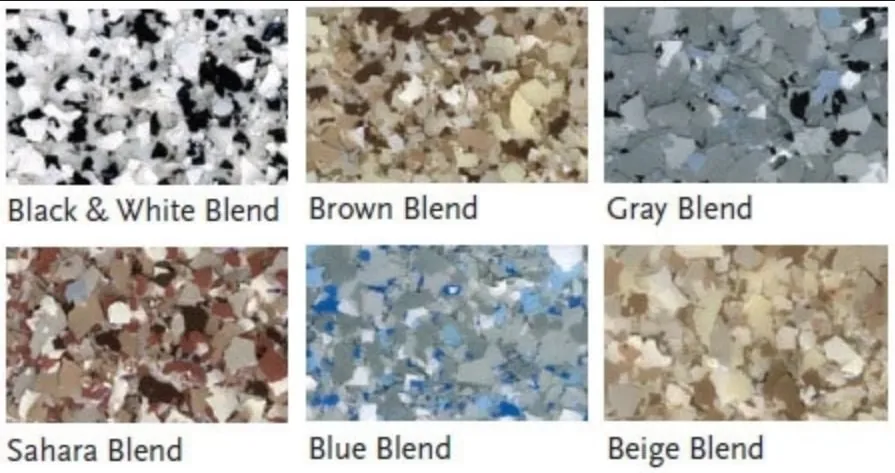
How Much Does Epoxy Flooring Cost in Tampa? (2026 Guide)
Real 2026 Tampa prices by finish plus a typical 2-car garage total.